Gitmo and Afghanistan Interrogation Tactics Exposed
In a new book, a medical ethicist has compiled a list of interrogation techniques documented at US detention centers in Guantanamo and Afghanistan They include: external electric shocks; beating; punching with fists; use of truncheons; stretching or suspension (to tear ligaments or muscles to cause asphyxia) UPDATE: An L Times reporter writes that the barring of U reporters from Gitmo "make[s] us all the more determined to question, probe and illuminate the actions of our government being waged in the country's name" .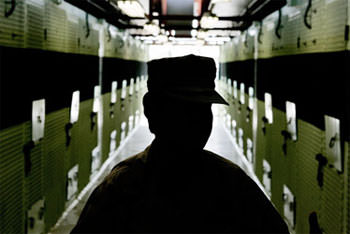
In a new book, a medical ethicist has compiled a list of interrogation techniques documented at U.S. detention centers in Guantanamo and Afghanistan. They include: external electric shocks; beating; punching with fists; use of truncheons; stretching or suspension (to tear ligaments or muscles to cause asphyxia) …
UPDATE: An L.A. Times reporter writes that the barring of U.S. reporters from Gitmo “make[s] us all the more determined to question, probe and illuminate the actions of our government being waged in the country’s name.”
Your support matters…Andrew Sullivan’s Daily Dish:
Here’s a list of interrogation techniques reliably documented at U.S. detention centers in Guantanamo or Afghanistan, compiled by medical ethicist, Stephen Miles, in a forthcoming book, “Oath Betrayed.” His sources are 35,000 pages of FOIAed government documents or credible witness testimony:
Beating; punching with fists; use of truncheons; kicking; slamming against walls; stretching or suspension (to tear ligaments or muscles to cause asphyxia); external electric shocks; forcing prisoners to abase and to urinate on themselves; forced masturbation; forced renunciation of religion; false confessions or accusations; applying urine and feces to prisoners…
Independent journalism is under threat and overshadowed by heavily funded mainstream media.
You can help level the playing field. Become a member.
Your tax-deductible contribution keeps us digging beneath the headlines to give you thought-provoking, investigative reporting and analysis that unearths what's really happening- without compromise.
Give today to support our courageous, independent journalists.
 Opinion
Where’s the headline-making outrage over the never-ending travesty of Gitmo?
Opinion
Where’s the headline-making outrage over the never-ending travesty of Gitmo?
 Opinion
We both have the same enemies but spend most of the time ignoring that fact.
Opinion
We both have the same enemies but spend most of the time ignoring that fact.
 Wounds of War
Remembering the day that a war designed never to end began.
Wounds of War
Remembering the day that a war designed never to end began.
 Global Voices
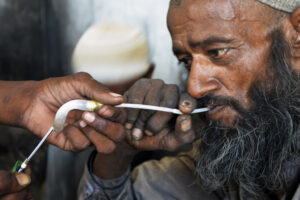
Crisscrossed by heroin transit routes from neighboring Afghanistan, the country’s youth confront a growing opioid epidemic.
Global Voices
Crisscrossed by heroin transit routes from neighboring Afghanistan, the country’s youth confront a growing opioid epidemic.
 Courts & Law
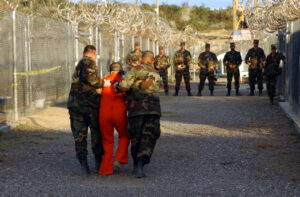
UN special rapporteur Fionnuala Ní Aoláin noted that the US treatment of detainees was “cruel, inhuman and degrading.”
Courts & Law
UN special rapporteur Fionnuala Ní Aoláin noted that the US treatment of detainees was “cruel, inhuman and degrading.”
 Middle East
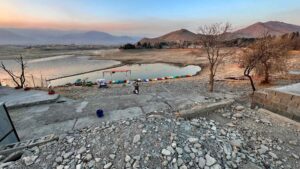
Amid a severe drought, Afghan scientists are asking the international community to engage with the brutal new regime.
Middle East
Amid a severe drought, Afghan scientists are asking the international community to engage with the brutal new regime.
You need to be a supporter to comment.
There are currently no responses to this article.
Be the first to respond.