GCHQ Tries to Keep Surveillance From the Public
Leaked memos show the U.K. intelligence agency has repeatedly warned internally that it fears "damaging public debate" about the nature and scale of its mass spying activities because it could lead to legal challenges that affect the program.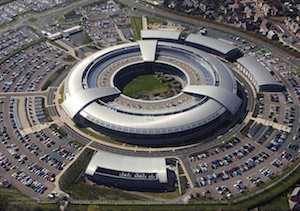
Leaked memos show the U.K. intelligence agency GCHQ has repeatedly warned internally that it fears “damaging public debate” about the nature and scale of its mass spying activities because it could lead to legal challenges that affect the program.
The memos belong to the cache of classified documents disclosed by whistle-blower Edward Snowden and detail the agency’s long-standing fight against public awareness of its activities.
“Foremost among the reasons was a desire to minimise the potential for challenges against the agency’s large-scale interception programmes, rather than any intrinsic threat to security, the documents show,” wrote The Guardian’s James Ball.
— Posted by Alexander Reed Kelly.
Your support matters…James Ball at The Guardian:
The papers also reveal that:
• GCHQ lobbied furiously to keep secret the fact that telecoms firms had gone “well beyond” what they were legally required to do to help intelligence agencies’ mass interception of communications, both in the UK and overseas.
• GCHQ feared a legal challenge under the right to privacy in the Human Rights Act if evidence of its surveillance methods became admissable in court.
• GCHQ assisted the Home Office in lining up sympathetic people to help with “press handling”, including the Liberal Democrat peer and former intelligence services commissioner Lord Carlile, who this week criticised the Guardian for its coverage of mass surveillance by GCHQ and the US National Security Agency.
Independent journalism is under threat and overshadowed by heavily funded mainstream media.
You can help level the playing field. Become a member.
Your tax-deductible contribution keeps us digging beneath the headlines to give you thought-provoking, investigative reporting and analysis that unearths what's really happening- without compromise.
Give today to support our courageous, independent journalists.
 Intelligence expert William Binney discusses the revelation that a widely used encryption service has been in government hands for decades.
 In “Permanent Record,” the NSA whistleblower tries to convince skeptics of his motives and educate readers about mass surveillance.
 Several nations have played a role in the WikiLeaks publisher’s downfall as corporate media stands idly by.
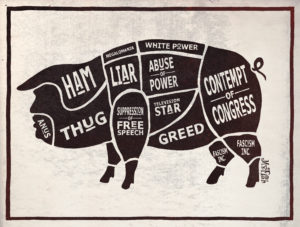 If the Democrats' impeachment action fails to address the "constitutional rot" that has occurred over decades, U.S. democracy may be doomed.
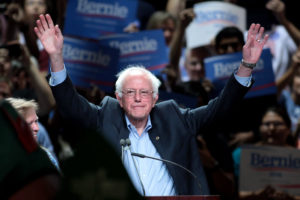 The Vermont senator's latest proposal is being hailed as "the most important stance any candidate has taken affecting press freedom so far."
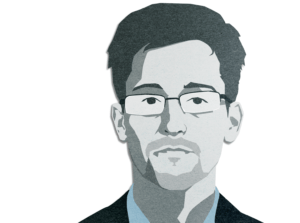 Far too many are vilified, persecuted and prosecuted for their courageous acts. Just ask one of the most famous ones alive.
You need to be a supporter to comment.
There are currently no responses to this article.
Be the first to respond.