We Are Watching You
Just about every Web site you visit, including this one, keeps track of details such as who you are, where you come from, and what you look at on the site and for how long. But some go even further to please advertisers, who may know what kind of books you read, what you search for, whom your friends are and more. Enter the House of Representatives.
Just about every Web site you visit, including this one, keeps track of details such as who you are, where you come from, and what you look at on the site and for how long. But some go even further to please advertisers, who may know what kind of books you read, what you search for, whom your friends are and more. Enter the House of Representatives.
Rep. Rick Boucher, D-Va., and a couple of his colleagues are working on legislation that would set some long-overdue privacy ground rules for the Internet. — PS
Your support matters…Yahoo Tech:
Boucher expects to set different rules for different types of sites. Sites that collect visitor information in order to target advertising on their own pages, for instance, would have to offer consumers a chance to opt out of having their interests tracked. These sites would also be required to prominently disclose what information they collect and provide a detailed description of how that information is used.
Web sites that deal with sensitive personal information, such as medical and financial data, sexual orientation, Social Security numbers and other ID numbers, would have to ask users to opt in to being tracked.
Independent journalism is under threat and overshadowed by heavily funded mainstream media.
You can help level the playing field. Become a member.
Your tax-deductible contribution keeps us digging beneath the headlines to give you thought-provoking, investigative reporting and analysis that unearths what's really happening- without compromise.
Give today to support our courageous, independent journalists.
 News
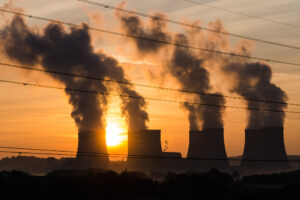
Trade group allies paid billions for ads and lobbying to keep fossil fuels flowing.
News
Trade group allies paid billions for ads and lobbying to keep fossil fuels flowing.
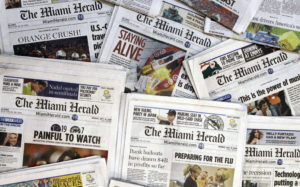 Its 30 newsrooms will continue to operate as it reorganizes in a tumultuous industry; the publicly traded company is expected to go private.
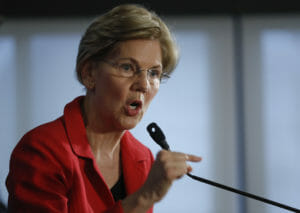 "They've decided to let political figures lie to you," the presidential hopeful says.
 The company has made millions off former 49ers quarterback Colin Kaepernick's message. That money should go right back to the cause that message supports.
You need to be a supporter to comment.
There are currently no responses to this article.
Be the first to respond.