Big Brother 2.0
A xenophobic Web site funded by a Texas government grant provides 15 live feeds of "high-crime areas" near the fence between U.S. and Mexico, urging people to go on "virtual stakeouts" from their computers and report "suspicious activity" to authorities.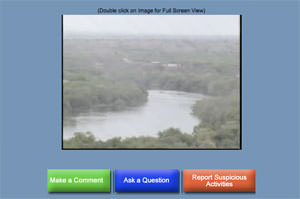
A xenophobic Web site funded by a Texas government grant provides 15 live feeds of “high-crime areas” near the fence between U.S. and Mexico, urging people to go on “virtual stakeouts” from their computers and report “suspicious activity” to authorities.
These “virtual stakeouts” frame any activity on the border as criminal, as the low-quality video provides no way of discriminating between legal and illegal activity.
Your support matters…CNN:
When her baby girl takes an afternoon nap, or on those nights when she just can’t sleep, Sarah Andrews, 32, tosses off her identity as a suburban stay-at-home mom and becomes something more exotic: a “virtual deputy” patrolling the U.S.-Mexico border.
From her house in a suburb of Rochester, New York, Andrews spends at least four hours a day watching a site called BlueServo.net.
When Andrews spots something she deems suspicious — perhaps a fuzzy character moving from right to left across the screen or people wading through the river with what appear to be trash bags atop their heads — she and the site’s 43,000 registered users can send e-mail messages straight to local law enforcement, who then decide whether to act.
The video site’s supporters see the 15-camera project as a stride forward in U.S. efforts to halt illegal immigration, drug smuggling and border violence. Run by the Texas Border Sheriff’s Coalition, an association of 20 sheriffs from border counties, the project seeks to spread responsibility for the border’s security across the nation’s masses of Internet users.
About 20 million people have clicked on BlueServo.net since it launched November 20, and the Web site has gained national attention at a time when many eyes already were focused on the southern border of the United States.
Independent journalism is under threat and overshadowed by heavily funded mainstream media.
You can help level the playing field. Become a member.
Your tax-deductible contribution keeps us digging beneath the headlines to give you thought-provoking, investigative reporting and analysis that unearths what's really happening- without compromise.
Give today to support our courageous, independent journalists.
 TD Original
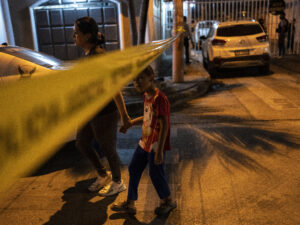
Narco networks are upending life in the small, once-peaceful nation.
TD Original
Narco networks are upending life in the small, once-peaceful nation.
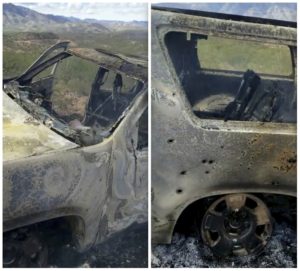 The attack took place in a remote, mountainous area where the Sinaloa cartel has been engaged in a turf war.
 Following the House vote Tuesday, Senate Republicans were preparing to push back on the bill, with the president ready to veto it.
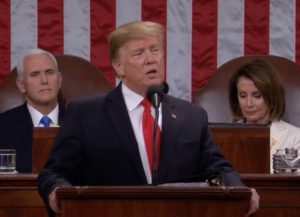 "The state of our union is strong," the president said during Tuesday's speech on Capitol Hill.
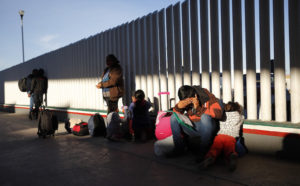 The president’s emphasis on building walls has caused damage to his own facade.
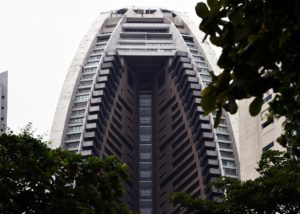 It is unclear if the president knew about the activities in the skyscraper, but Newsweek reports he has made "tens of millions" from the deals.
You need to be a supporter to comment.
There are currently no responses to this article.
Be the first to respond.