
U.N. Throws Native People a Bone
After 22 years of debate and opposition (not to mention centuries of exploitation and genocide), the United Nations has finally approved the Declaration on the Rights of Indigenous Peoples, a nonbinding treaty meant to promote the human, territory and resource rights of native people around the world. Only four nations voted against the measure: the U.S., Australia, Canada and New Zealand.
After 22 years of debate and opposition (not to mention centuries of exploitation and genocide), the United Nations has finally approved the Declaration on the Rights of Indigenous Peoples, a nonbinding treaty meant to promote the human, territory and resource rights of native people around the world. Only four nations voted against the measure: the U.S., Australia, Canada and New Zealand.
Your support matters…BBC:
The Declaration on the Rights of Indigenous Peoples calls on countries to give more control to tribal peoples over the land and resources they traditionally possessed, and to return confiscated territory, or pay compensation.
The General Assembly passed it, with 143 countries voting in favour and 11 abstaining.
Four nations — Australia, Canada, New Zealand and the United States — each with large indigenous populations, voted against.
Independent journalism is under threat and overshadowed by heavily funded mainstream media.
You can help level the playing field. Become a member.
Your tax-deductible contribution keeps us digging beneath the headlines to give you thought-provoking, investigative reporting and analysis that unearths what's really happening- without compromise.
Give today to support our courageous, independent journalists.
 Ear to the Ground
Nearly 90% of the Australian population supports the journalist’s safe return to his native country, says Greens Sen. David Shoebridge.
Ear to the Ground
Nearly 90% of the Australian population supports the journalist’s safe return to his native country, says Greens Sen. David Shoebridge.
 Under a groundbreaking agreement, men's and women's teams pool revenue and enjoy equal working conditions.
 New fronts in the battle to contain the virus open rapidly, deepening a sense of crisis that has already sent financial markets plummeting.
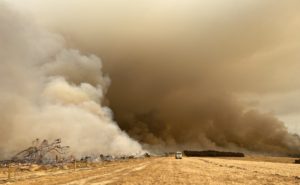 Unless we remove the arsonists in power across the globe, we're headed for a climate catastrophe no less destructive than nuclear war.
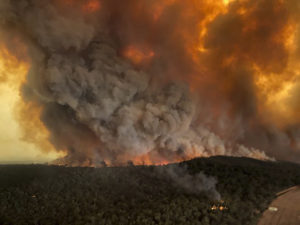 We finally see a spark of global acknowledgement about the urgency of the crisis, thanks to Greta Thunberg and Australia's fires.
 Scientists say they see no end to the way human-caused climate change is adversely affecting the planet.


You need to be a supporter to comment.
There are currently no responses to this article.
Be the first to respond.