
The Dangers of ‘Football Brain’
More than 3,000 former players and their families have filed a class-action lawsuit against the National Football League, alleging that the organization downplayed the risks associated with head injuries and “fostered a culture of violent play.”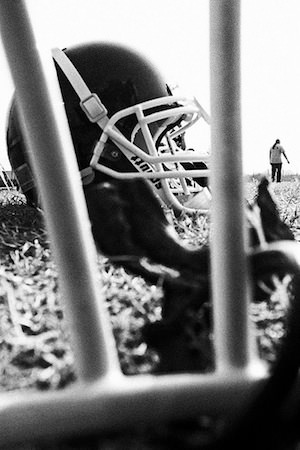
More than 3,000 former players and their families have filed a class-action lawsuit against the National Football League, alleging that the organization downplayed the risks associated with head injuries and “fostered a culture of violent play.”
A number of players have committed suicide after sustaining concussions during their NFL careers, injuries often followed by uncontrollable mood swings, attention deficit and other problems. Many have donated their brains to medical science in an attempt to better understand the consequences of head trauma. The Boston University Center for the Study of Traumatic Encephalopathy has roughly 60 such cases in its athletes’ brain bank.
— Posted by Alexander Reed Kelly.
Your support matters…In Other Words at MedPage Today:
… Researchers are trying to untangle the neurologic and biologic processes by which concussions do their long-term damage. One group, led by Steven P. Broglio, PhD, of the University of Michigan, has recently published findings suggesting that repeated blows to the head actually hasten the brain’s natural age-related deterioration, with breakdown of various signaling pathways. They subjected a group of young, high-functioning college students who had experienced one or more concussions to a battery of cognitive and electrophysiological tests, and found that the students had difficulties with attention, were unable to inhibit incorrect responses to environmental stimuli, and had trouble understanding when they had made a mistake. Compared to healthy controls, the concussed group also showed deterioration in gait and balance.
Independent journalism is under threat and overshadowed by heavily funded mainstream media.
You can help level the playing field. Become a member.
Your tax-deductible contribution keeps us digging beneath the headlines to give you thought-provoking, investigative reporting and analysis that unearths what's really happening- without compromise.
Give today to support our courageous, independent journalists.
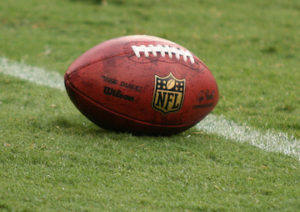 The report, conducted by congressional investigators, reveals how the National Football League put pressure on the National Institutes of Health to take funds from an independent researcher and give it to the NFL’s committee on brain injuries. The report, conducted by congressional investigators, reveals how the National Football League put pressure on the National Institutes of Health to take funds from an independent researcher and give it to the NFL’s committee on brain injuries.
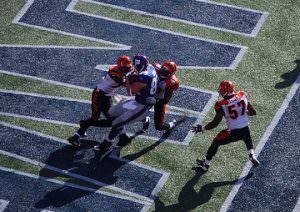 Lawyers appealing a National Football League plan to address concussion-linked injuries in former players say the settlement excludes the chief brain injury associated with the sport.
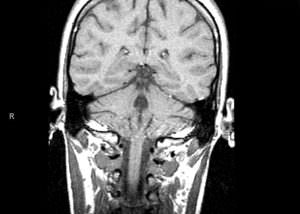 Independent experts suggest that more than 400,000 American service members will return from the wars in Iraq and Afghanistan with traumatic brain injuries that could lead to severe personality disorders, and little is being done to help them. (more)
 Rep Gabrielle Giffords continues to amaze her doctors with her recovery from the brain injury she sustained in Saturday's shooting On Thursday, the word "miracle" was once again invoked as her medical team reported her progress Updated.


You need to be a supporter to comment.
There are currently no responses to this article.
Be the first to respond.