Hackers to the Rescue
This weekend, hackers from around the world met at "hackathon" events to tackle climate change and disaster-risk management during the semiannual Random Hacks of Kindness global conference. (more)
“Hacktivism” has been steadily gaining ground in the political arena, especially since the emergence of Anonymous, the online activist group that famously hacked its way into Amazon, eBay and various countries’ government websites in support of WikiLeaks.
On Friday, for instance, Anonymous hacked into Iranian government servers and stole more than 10,000 email addresses, and in June the group plans to target the Iranian government again on the anniversary of President Mahmoud Ahmadinejad’s 2005 election.
The problem, though, is that the activities of such groups are more often outright attacks than constructive activism. This weekend, however, hackers took a different tack. Hackers from around the world met at “hackathon” events to tackle climate change and disaster-risk management during the semiannual Random Hacks of Kindness global conference.
Organizers hoped to end the weekend with concrete prototypes and demo applications that would address issues of climate change. If only the Earth’s climate were linked up to a central air system. … — BF
Your support matters…CNN:
The group solicits “problem definitions” from organizations in the field of disaster preparedness, relief and climate change and puts them before “tech-savvy do-gooders,” according to Elizabeth Sabet from SecondMuse, RHoK’s global operational lead.
It’s this synthesis between subject-matter experts and computer hackers that makes RHoK effective, its leaders said.
“Technical solutions created only by technical people are often too cumbersome for the field,” said Philadelphia organizer Mike Brennan. “Solutions created by field experts alone often lack the technical and scientific basis for an effective solution. RHoK is looking to address these weaknesses directly.”
Independent journalism is under threat and overshadowed by heavily funded mainstream media.
You can help level the playing field. Become a member.
Your tax-deductible contribution keeps us digging beneath the headlines to give you thought-provoking, investigative reporting and analysis that unearths what's really happening- without compromise.
Give today to support our courageous, independent journalists.
 "Both well-meaning and more illicit-minded intelligence professionals basically realize [exposures of the inner workings of power] can't go on," the publisher and journalist tells the "On Contact" host in a discussion about attacks on such organizations as WikiLeaks.
 Further enraging state residents, Michele Reagan acknowledged that many voters were given provisional ballots because their party affiliation had been changed without their knowledge.
 A look back at some of our favorites from the reading stack.
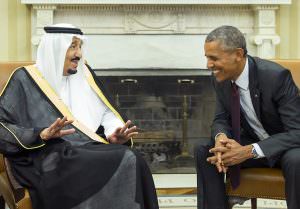 Washington long has had an unholy alliance with one of the world's worst abusers. We must cut those ties.
 As the surveillance state has harnessed the very technologies that were supposed to liberate us, a new book explores the shadowy world of Anonymous, an online "community" that has targeted corporations and governments guilty of perceived offenses against digital liberty.
You need to be a supporter to comment.
There are currently no responses to this article.
Be the first to respond.