Each Drone Strike in Yemen Makes as Many as 60 New U.S. Enemies
A former official of the U.S. State Department in Yemen says every drone killing by the American military there creates 40 to 60 new enemies of the United States.
A former official of the U.S. State Department in Yemen says every drone killing by the American military there creates 40 to 60 new enemies of the United States.
In an article posted Wednesday in The Cairo Review, Nabeel Khoury, the deputy chief of mission in Yemen from 2004 to 2007, writes:
Drone strikes take out a few bad guys to be sure, but they also kill a large number of innocent civilians. Given Yemen’s tribal structure, the U.S. generates roughly forty to sixty new enemies for every AQAP [al Qaeda in the Arabian Peninsula] operative killed by drones.
— Posted by Alexander Reed Kelly.
Your support matters…The Huffington Post:
Khoury, now retired from State and working as a fellow at the Chicago Council on Global Affairs, told HuffPost, “My former colleagues are probably going to get upset with me, because the policy now is to do this.” U.S. drone strikes in Yemen have intensified in the years since he left his post there.
Khoury said his estimate, while not “scientifically drawn,” was based on his knowledge of the tribal nature of Yemeni society. His concern over drone strikes is based more than anything else, he said, on the pragmatic question: Should the U.S. be creating this many future enemies?
A report released on Tuesday by Human Rights Watch found that the U.S. policy of not acknowledging drone strikes means innocent victims’ families are without the ability to seek U.S. compensation — further fueling anti-American anger.
Independent journalism is under threat and overshadowed by heavily funded mainstream media.
You can help level the playing field. Become a member.
Your tax-deductible contribution keeps us digging beneath the headlines to give you thought-provoking, investigative reporting and analysis that unearths what's really happening- without compromise.
Give today to support our courageous, independent journalists.
 Military
As DOD integrates artificial intelligence into military operations, concerns rise over ethics, transparency, and unintended consequences.
Military
As DOD integrates artificial intelligence into military operations, concerns rise over ethics, transparency, and unintended consequences.
 Opinion
President Biden's rules on drone warfare mask continued violent Islamophobia.
Opinion
President Biden's rules on drone warfare mask continued violent Islamophobia.
 Politics
Obama's only takeaway from the Syria episode was to never again seek Congressional approval for military action.
Politics
Obama's only takeaway from the Syria episode was to never again seek Congressional approval for military action.
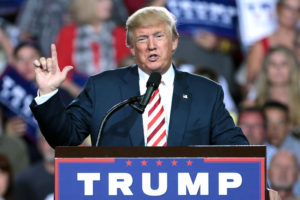 The president’s foreign policy seldom matches his anti-war rhetoric. In 2020, it’s incumbent on his opposition to offer a true alternative.
 There’s a lot about our wars that we don’t know, but what we do know is enough to make a person cry.
 The president's 2020 opponents would do well to watch his moves on the international front, as they could help his re-election cause.
You need to be a supporter to comment.
There are currently no responses to this article.
Be the first to respond.