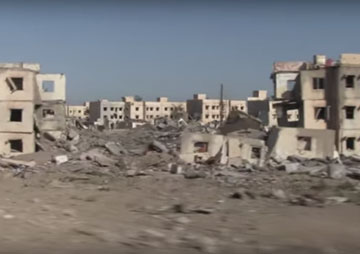
Eyes Are on Mosul Next as Iraqi Army Advances in Ramadi in Face of Stiff Islamic State Resistance
Dec 29, 2015 Iraqi Prime Minister Haidar al-Abadi announced Friday that after the city of Ramadi was recovered from Islamic State, the Iraqi army would go on to liberate Mosul.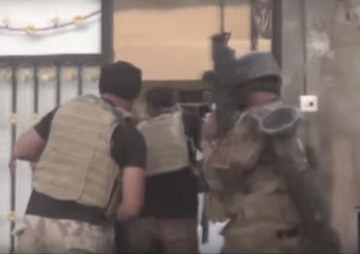
If Defeating Islamic State Is So Important, Why Isn’t Ramadi Campaign All We’re Talking About?
Dec 10, 2015 Given the large number of vehement pronouncements by U.S. presidential candidates about the dire threat from Islamic State, and attacks on President Obama for not doing more, you would think that the American public would be hanging on every word about any progress against the radical organization.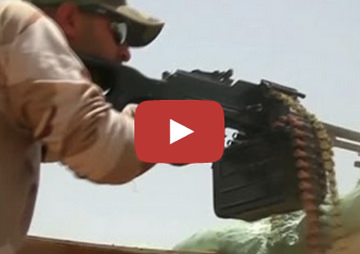
Shiite Militias Change Ramadi Campaign Name to ‘I’m Here, O Iraq’ After Pentagon Criticism
May 28, 2015 Shiite militias in Iraq have changed the name of their current campaign to take Ramadi from Islamic State from “I am here, O Husayn" to “I am here, O Iraq," since the former could have been interpreted as a sign of sectarianism.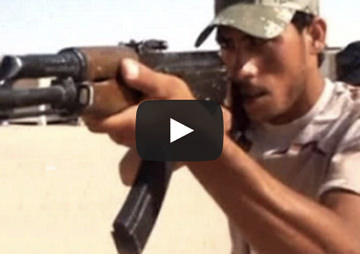
Shiite Militias Announce ‘Here I Am, O Husayn’ Campaign for Sunni Ramadi
May 27, 2015 Shiite militias in Iraq, joined by some Sunni tribal levies, on Tuesday reached a university campus just to the southwest of Ramadi in what is called a “shaping operation” intended to set the stage for an all-out assault.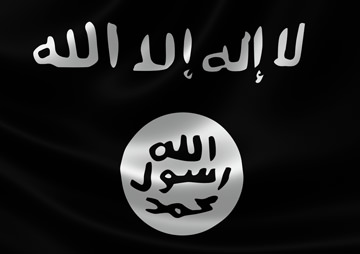
Is It the U.S. That Isn’t Stepping Up to Fight Islamic State?
May 26, 2015 Secretary of Defense Ashton Carter’s blunt remarks Sunday about the Iraqi army not having the will to fight ruffled feathers in Baghdad and Tehran.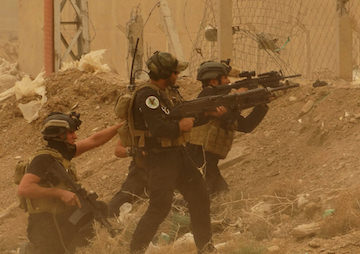
Chasing Miracles in Iraq
May 22, 2015 The Islamic State was supposed to be reeling from U.S.-led airstrikes. Yet the group was able to capture Ramadi, the capital of Anbar province, and is now consolidating control over that strategically important city.
Washington Asks, ‘Who Lost Ramadi?’ But Washington Never Had Ramadi
May 21, 2015 The inside-the-Beltway debate set off by the fall of the Iraqi city of Ramadi to the Islamic State group on Sunday is, as usual, Dadaistic in its disconnection from reality.
Iraq: 25,000 Shiite Militiamen Gather to Retake Ramadi
May 20, 2015 Iraqi Prime Minister Haydar al-Abadi met Tuesday with leaders of the Shiite militias to plan the retaking of Ramadi, a Sunni Arab city about 78 miles due west of Baghdad that fell on Sunday to the Islamic State group.
Why Does the Iraqi Army Keep Running Away From Islamic State?
May 19, 2015 Baghdad was shaken by the news that the Iraqi army and police in Ramadi ran away from the advancing forces of the Islamic State group (known also as Daesh).
Islamic State Surrounds 300 Sunni Families in Iraq, Closes In on Ramadi (Video)
Apr 18, 2015 Islamic State (also known as Daesh) has taken new territory in the western Al-Anbar Province of Iraq and may be on the verge of taking the provincial capital, Ramadi, a week after they were decisively defeated in Tikrit in the south of Salahuddin Province.