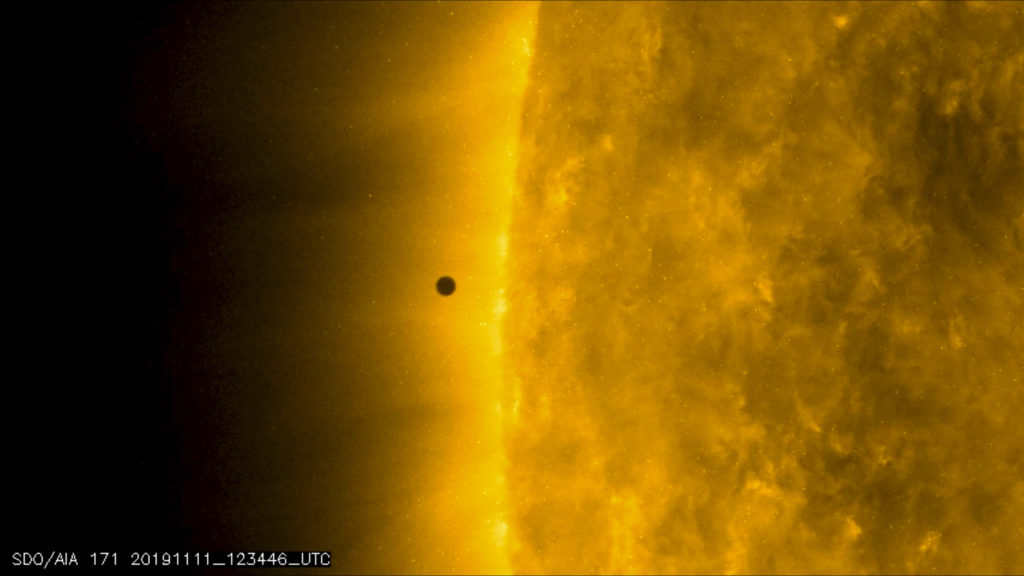
MARCIA DUNN / The Associated PressNov 11, 2019
The next such event for the solar system's smallest, innermost planet isn't until 2032, and North America won't get another shot until 2049. Dig deeper ( 1 Min. Read )
Tim Radford / Climate News NetworkNov 11, 2018
The spread of the human horde means under a quarter of the world’s habitable land now counts as wilderness. Dig deeper ( 2 Min. Read )
Tim Radford / Climate News NetworkMay 23, 2018
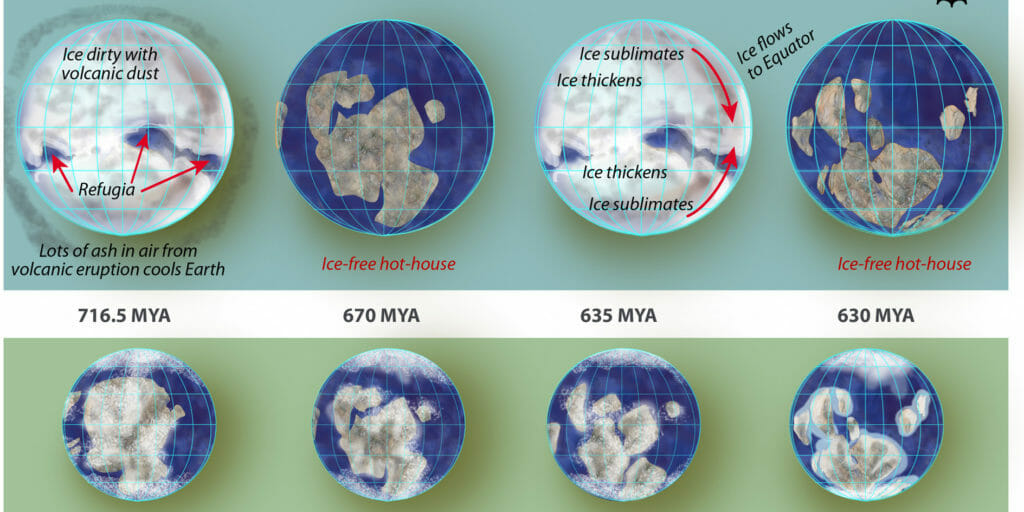
Researchers think there may be an ancient link between catastrophic climate change and the forces that build mountains: plate tectonics. Dig deeper ( 3 Min. Read )
Join our newsletterStay up to date with the latest from Truthdig. Join the Truthdig Newsletter for our latest publications.
Alexander Reed Kelly / TruthdigDec 22, 2015
On the winter solstice, a Truthdig review of the year's environmental stories finds cause for hope in our poison-riddled world. Dig deeper ( 8 Min. Read )
Jenna Berbeo / TruthdigOct 16, 2015
He already thinks he hung it, so Donald Trump would be a natural leader for Jeb Bush's future moon colony. Dig deeper ( 3 Min. Read )
Staff / TruthdigSep 28, 2015
In a major announcement, scientists suggest that flowing water exists on Mars -- a discovery they say has exciting implications for the future search for life on the Red Planet. Dig deeper ( 1 Min. Read )
Staff / TruthdigJan 9, 2015
This week on Truthdig Radio in association with KPFK: We investigate what al-Qaida -- or anyone -- has to gain by killing cartoonists. Also: NASA finds habitable planets far, far away, and the FCC is doing something behind closed doors that you should probably know about. Dig deeper ( 1 Min. Read )
Staff / TruthdigSep 29, 2013
The Curiosity rover found H2O particles bound to other minerals in Martian dirt. According to scientists, it's enough water to hydrate astronauts who wish to explore the planet in the future. Dig deeper ( 1 Min. Read )
Tracy Bloom / TruthdigNov 19, 2012
The entire planet will be hurt by climate change, but a bleak new report says some of the poorest countries will feel its effects the most. Dig deeper ( 2 Min. Read )
Join our newsletterStay up to date with the latest from Truthdig. Join the Truthdig Newsletter for our latest publications.
Now you can personalize your Truthdig experience. To bookmark your favorite articles and follow your favorite authors, please login or create a user profile.
Now you can personalize your Truthdig experience. To bookmark your favorite articles and follow your favorite authors, upgrade to supporter.