 Environment
Environment
Environment
 Environment
What Lower Fertility Rates Mean for Climate Change
Jun 5, 2023 Confronting how population growth contributes to the crisis could lead to necessary policy change.
A Surrogate Mother’s Cautionary Tale
Mar 6, 2019 Defenders of the practice of surrogacy contend that everyone benefits from it, but that’s not always the case.
The Selling of Subordination: How the Female Body Is Reduced to Products
Sep 16, 2016 Welcome to the marketplace built on women’s oppression, disposability, desperation and despair.
Give Us Your Fertile Years: Apple and Facebook Will Pay to Freeze Your Eggs
Oct 15, 2014 At the intersection of good intentions and just-plain-weird, two of the biggest tech companies are offering their female employees an unusual benefits package.
FDA Tells Volunteer Sperm Donor to Zip It
Dec 20, 2011 As of late last year, a Fremont, Calif., man had donated his sperm 328 times to would-be parents who found him on the Internet. The Food and Drug Administration has told the donor, whose self-described "service to help the community" has produced 14 children, to stop.
Sperm Bank Bans Redheads
Sep 19, 2011 Cryos, an international network of sperm banks based in Denmark, is refusing donations from gingers, because, says director Ole Schou, there simply isn't demand outside of Ireland, where red hair sells "like hot cakes." The company is most interested in sperm from Indian donors and those with brown hair and eyes. (more)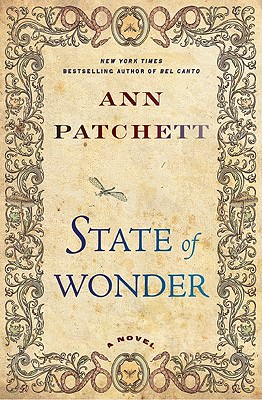
‘Lost Horizon’ for American Ovaries
Jul 29, 2011 Ann Patchett's sixth novel, "State of Wonder," poses a provocative question: If, ladies, you could preserve your fertility into your 50s, 60s or even later, would you?
Presenting: Sperm in a Test Tube
Mar 25, 2011 They've gone and done it, those crafty scientists: As reported by Nature (as in the publication), a team of Japanese researchers has successfully cultivated "fully developed sperm" from "immature mouse testicles." And they're not just showing off.
Million-Dollar Baby: How Much Would You Pay for a Baby If You Couldn’t Have One?
Jul 27, 2009 Is there a fairer way to compensate surrogate mothers? Too often, surrogacy is about a wealthy couple hiring a poor woman to breed for them.Too often, surrogacy is about a wealthy couple hiring a poor woman to breed for them.Eight Is (More Than) Enough
Feb 5, 2009 It turns out that the woman who recently gave birth to eight babies already had six in vitro kids at home, no spouse, no job and a pending bankruptcy. There's a word for this achievement of medicine's reproductive business: nuts.