Kasia Anderson / TruthdigAug 7, 2014
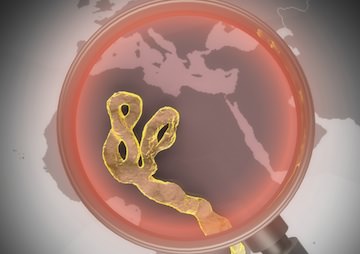
Nigeria is looking like the next frontier for the Ebola outbreak that has Liberia on lockdown, after a man infected with the virulent virus flew to Lagos from Liberia before succumbing to the disease late last month. Dig deeper ( 1 Min. Read )
Staff / TruthdigAug 3, 2008
Friends' and relatives' memories of microbiologist Bruce E. Ivins, who apparently committed suicide last week as he became a top suspect in the 2001 anthrax attacks, differ greatly from the image of him invoked by the stories that have emerged about his threatening behavior in recent months. Dig deeper ( 1 Min. Read )
Center for Arms Control and Non-ProliferationAug 1, 2008
Today's shocking revelation about the apparent suicide of an Army microbiologist, a lead suspect in the 2001 anthrax attacks, has intensified the need for a thorough investigation into the only significant bioterrorism attack on U.S. soil, said Alan Pearson, director of the biological and chemical weapons control program at the Center for Arms Control and Non-Proliferation. Dig deeper ( 2 Min. Read )
Join our newsletterStay up to date with the latest from Truthdig. Join the Truthdig Newsletter for our latest publications.
Staff / TruthdigAug 1, 2008
The apparent suicide of 62-year-old scientist Bruce E. Ivins on Tuesday shook up his co-workers at the military biodefense labs in Maryland where he'd worked for nearly two decades. But the significance of his death extended beyond personal tragedy when it emerged that Ivins was about to be prosecuted by the Justice Department for alleged involvement in the anthrax attacks of 2001. Dig deeper ( 1 Min. Read )
Staff / TruthdigApr 7, 2006
Bush & Co. still don't have a comprehensive plan to deal with bioterror threats--despite two years of planning and billions in appropriations. The alleged culprit: bureaucratic inertia.
"I can't help but think we are not prepared if, God forbid, any of these catastrophes were to be visited upon the United States," says a congresswoman. Dig deeper ( 1 Min. Read )
Join our newsletterStay up to date with the latest from Truthdig. Join the Truthdig Newsletter for our latest publications.
Now you can personalize your Truthdig experience. To bookmark your favorite articles and follow your favorite authors, please login or create a user profile.
Now you can personalize your Truthdig experience. To bookmark your favorite articles and follow your favorite authors, upgrade to supporter.